

By Patrick Bartholomew, DPM – Family Foot & Leg Center, Cape Coral, FL
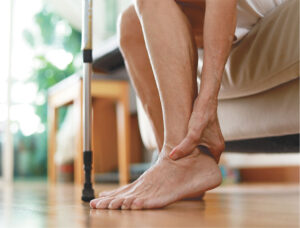 September is Peripheral Artery Disease Awareness Month—a perfect time to look closer at an often-overlooked part of your health: your feet.
As a podiatrist, I frequently remind my patients that healthy feet are about much more than avoiding pain. Your feet provide important clues about your overall health, including circulation, nerve function, mobility, and your ability to remain active as you age.
One condition deserving particular attention is peripheral artery disease (PAD).
What Is Peripheral Artery Disease?
PAD occurs when arteries carrying blood to the legs and feet become narrowed or blocked, most commonly from cholesterol and plaque buildup. Reduced blood flow can affect the muscles, skin, nerves, and bones of the lower extremities.
PAD becomes more common with age and is linked to risk factors such as smoking, diabetes, high blood pressure, high cholesterol, obesity, and cardiovascular disease.
Because PAD can develop gradually with few or no obvious symptoms, regular foot and lower-extremity examinations are especially important.
Don’t Ignore These Warning Signs
Symptoms of PAD vary considerably. Some people experience cramping, aching, or fatigue in the calf, thigh, or buttocks when walking that improves with rest. Others may notice:
• Feet that are unusually cold compared to the rest of the body
• Changes in skin color or appearance
• Thinning, shiny skin or hair loss on the legs or feet
• Slow-growing toenails
• Numbness, weakness, or unusual sensations in the feet
• Wounds or sores that heal slowly
• Persistent foot or leg pain, particularly at rest or at night
Not everyone with PAD experiences classic leg pain while walking. In fact, some attribute subtle foot changes to “just getting older.” They shouldn’t be ignored. A non-healing sore, a sudden change in foot color or temperature, or unexplained sensation changes warrant further evaluation.
Why Your Podiatrist Is Part of Healthy Aging
As we age, maintaining the ability to walk comfortably and safely becomes increasingly important. Mobility is closely tied to independence. When foot pain, arthritis, neuropathy, poor circulation, or balance problems make walking difficult, activity drops. Reduced activity then contributes to muscle weakness, weight gain, poorer balance, and an increased risk of falls. This creates a cycle that gradually limits independence, but preventive podiatric care can help interrupt it.
During a comprehensive exam, a podiatrist evaluates skin, toenails, sensation, pulses, circulation, strength, joint function, and biomechanics. If abnormalities appear, your podiatrist can recommend testing or coordinate care with your primary care physician, cardiologist, vascular specialist, or other providers.
Healthy Aging Starts With Staying Active
Foot health and cardiovascular health are deeply linked: you need healthy feet to stay physically active. Whether your goal is walking around the neighborhood, exercising, playing with grandchildren, gardening, golfing, or simply maintaining independence, caring for your feet keeps you moving.
For older adults, even minor foot issues can become significant if untreated. A painful bunion, thickened toenail, callus, arthritis, tendon problem, or poorly fitting shoe can gradually alter how you walk and lower your activity level. Addressing these problems early makes maintaining mobility much easier.
Don’t Wait for a Foot Problem to Become a Big Problem
One of the most vital principles of healthy aging is prevention over reaction.
If you have diabetes, a history of smoking, high cholesterol, high blood pressure, cardiovascular disease, or a family history of vascular disease, talk to your provider about your PAD risk.
If you notice a non-healing wound, unexplained foot changes, new walking-related leg pain, numbness, or notable temperature or color changes, don’t assume it is just aging. Your feet may be telling you something important.
Take the Next Step
Peripheral Artery Disease Awareness Month is a great reminder that foot health and overall health are connected. A routine podiatric exam is a key part of preventive healthcare as we age. Identifying circulation issues, nerve changes, and structural abnormalities early allows for treatment before small problems become major ones.
Healthy aging isn’t just about adding years to life—it’s about moving through those years with strength, comfort, and independence.
Take a moment to check your feet. Pay attention to changes, wear supportive shoes, stay active within your abilities, and have any concerns evaluated prompty. Taking care of your feet helps keep you moving for years to come.
Dr. Patrick Bartholomew is a podiatrist at Family Foot & Leg Center in Cape Coral, Florida, specializing in complex wound care and deformity reconstruction. He is committed to helping the Cape Coral community remain active and healthy.
530 SE 16th Place, Suite A
Cape Coral, FL 33990
(Across from Cape Coral Hospital)
(239) 430 – 3668 (FOOT)
www.NaplesPodiatrist.com