

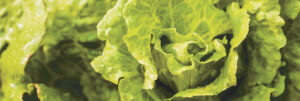
 If your stomach has felt a little uneasy this summer, you’re not imagining things. The Centers for Disease Control and Prevention is tracking one of the largest cyclosporiasis outbreaks in years, with thousands of confirmed cases nationwide linked to contaminated iceberg lettuce, along with other clusters tied to fresh herbs and berries. For Southwest Florida families who love fresh produce, the good news is that a few smart habits go a long way toward keeping your kitchen safe.
What Is Cyclosporiasis?
Cyclosporiasis is a microscopic parasite that causes watery diarrhea, bloating, fatigue, and loss of appetite, usually about a week after exposure. It spreads only through food or water contaminated with human waste, never person-to-person, which means the source is almost always something we eat. Symptoms can be treated with antibiotics, but without treatment they can linger for weeks. Anyone with severe diarrhea, dizziness, or a racing heart should seek care right away.
Shop Smart: Local Farmers Markets
One of the best ways to know where your produce came from is to buy it close to home. Southwest Florida has wonderful options to choose from. Buying from local growers lets you ask direct questions about how produce was grown and washed, and it naturally steers you away from the imported bagged salads and pre-cut greens that have been at the center of recent recalls. When shopping, especially favor whole, unprocessed vegetables over pre-washed, bagged, or pre-cut items, since chopped surfaces give bacteria and parasites more opportunity to cling on.
Check for Recalls Before You Shop
Before your next grocery run, take thirty seconds to check the FDA and CDC websites for current recalls. This outbreak has been linked specifically to iceberg lettuce, so many households are choosing romaine, butter lettuce, or spring mixes instead until the source is fully resolved.
Washing Produce the Right Way
Cyclosporiasis doesn’t rinse away as easily as dirt, but proper washing still matters:
. Wash your hands with soap for 20 seconds before and after handling produce.
. Rinse fruits and vegetables under cool running water, even ones with skins or rinds you plan to peel, since bacteria can transfer from your knife or hands.
. Gently rub firm produce like cucumbers or melons with a clean produce brush.
. Skip soap, bleach, or commercial produce washes, which aren’t proven safer than plain water and can leave residue.
. Dry produce with a clean cloth or paper towel, since drying can further remove lingering organisms.
. When in doubt, cook it. Heat kills Cyclosporiasis, so sautéing or steaming leafy greens is a smart substitute during an active outbreak.
Store Produce Properly
Refrigerate cut produce promptly and keep your fridge at 40°F or below. Store fruits and vegetables away from raw meat, and wash cutting boards and knives with hot, soapy water between uses.
When to See a Doctor
If you experience watery diarrhea lasting more than a few days, especially alongside fatigue or unexplained weight loss, contact your physician. Cyclosporiasis is diagnosed through a simple stool test, and prompt treatment can shorten the illness significantly.
This outbreak is a good reminder that fresh doesn’t always mean risk-free, but it doesn’t mean you should avoid produce either. With a little extra care at the store, the sink, and the fridge, Southwest Florida families can keep enjoying the fruits and vegetables that make our region’s food scene so vibrant.