

By Michael C. Shaffer, D.C., P.A.
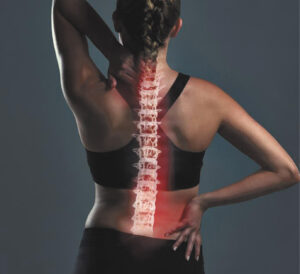 When a physical condition or injury affects mobility and quality of life, there is one goal: A rapid return to everyday activities!
According to data from the Centers for Disease Control and Prevention (CDC), approximately 20% of U.S. adults live with chronic pain, and nearly 8% experience pain severe enough to limit daily activities. Many patients seek non-surgical, drug-free approaches to manage these conditions safely and effectively. Two conservative treatment options are non-surgical spinal decompression and robotic MLS laser therapy. These therapies are designed to address underlying causes of pain, reduce inflammation, and support the body’s natural healing processes.
Non-surgical spinal decompression therapy focuses on relieving pressure within the spinal discs and surrounding nerve structures. The spine consists of vertebrae separated by intervertebral discs that act as shock absorbers and allow flexibility. Over time, injury, repetitive strain, or age-related degeneration can lead to disc compression, bulging, or herniation. These structural changes may contribute to conditions such as degenerative disc disease, spinal stenosis, and nerve root irritation, all of which are associated with chronic back or neck pain.
During spinal decompression therapy, a patient is positioned comfortably on a computerized decompression table. Gentle, controlled forces are applied to specific regions of the spine. This process creates negative pressure inside the disc, which may help retract displaced disc material and reduce mechanical compression on spinal nerves. Research suggests that decompression therapy may also enhance nutrient exchange within the disc by improving circulation and facilitating the movement of oxygen and fluids into damaged tissues. Each session on the Hill DT table is considered a medical event with a defined clinical purpose.
Advances in technology have introduced new methods for managing pain at the cellular level. One example is MLS (Multiwave Locked System) robotic laser therapy, a non-invasive treatment that uses two specific wavelengths of light energy simultaneously to stimulate tissue repair. This therapy is designed to penetrate deeply into tissues without generating excessive heat, making it suitable for a wide range of musculoskeletal conditions.
What are the benefits of MLS Laser Therapy?
• Rapid relief of pain
• Strong anti-inflammatory effects
• Timely healing of sprains & strains
• Immediate improvement of local blood circulation
• Rapid recovery of the structural integrity of injured region
• Avoid unnecessary and expensive drugs and/or surgeries
MLS laser therapy works through a process known as photobiomodulation. Light energy interacts with cells to increase mitochondrial activity, leading to enhanced ATP production, which is the primary energy source for cellular repair. Clinical research indicates that laser therapy can reduce inflammatory markers, improve microcirculation, and accelerate tissue regeneration. In musculoskeletal medicine, it has been used for conditions such as arthritis, tendonitis, ligament injuries, neuropathic pain, and post-surgical recovery.
The robotic delivery system used in advanced MLS devices provides consistent, precise treatment application. Automated programming allows protocols tailored to specific anatomical regions and conditions. This precision helps ensure uniform energy distribution and minimizes variability that may occur with manual application. Safety features built into the system automatically regulate intensity levels and prevent overheating, supporting a controlled and safe treatment environment.
Clinical studies evaluating MLS laser therapy have reported reductions in pain scores and improved functional outcomes in patients with chronic joint and soft-tissue conditions. For example, randomized trials have demonstrated significant decreases in pain severity among patients with osteoarthritis and tendon disorders following a series of laser therapy sessions. Because the therapy is non-invasive, patients experience no downtime and can resume normal activities immediately after treatment.
When used together, spinal decompression and MLS laser therapy provide complementary benefits. Decompression addresses mechanical pressure and structural contributors to pain, while laser therapy targets inflammation, reduces pain and aids in cellular repair. This combined approach reflects integrative musculoskeletal care, emphasizing both biomechanical correction and biological healing.
Dr. Michael Shaffer, has been caring for patients for 45 years. The motto for the clinic is:
Rely and Clinical Expertise and Experience.
Individuals experiencing ongoing pain, stiffness, or limited mobility are invited to schedule a consultation to discuss whether non-surgical spinal decompression and MLS laser therapy may be appropriate for their condition. A personalized treatment plan based on factors such as the duration of symptoms, underlying pathology, and overall health status influence therapy selection and expected outcomes. Every patient is monitored for functional improvement, pain reduction, and restoration of mobility over time. Start planning for less pain and a better quality of life today!
Michael C. Shaffer, D.C., P.A.
(239) 793-3200
www.drmichaelshaffer.com
671 Goodlette Rd., Unit 160
Naples, FL 34102