

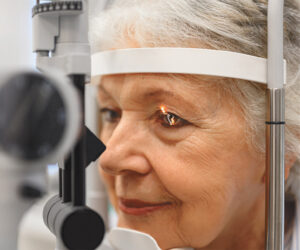
 Most people think of an eye exam as a quick errand: read a few letters off a chart, get a prescription, and move on with their day. But as an optometrist, I see eye exams very differently. Every comprehensive exam is a chance to catch small changes before they become big problems, not just in your vision, but in your overall health.
It’s About More Than 20/20 Vision
A yearly eye exam isn’t only about whether you need a new pair of glasses. During a comprehensive exam, I’m looking closely at the structures inside and around your eyes for early warning signs of conditions like glaucoma, cataracts, macular degeneration, and diabetic retinopathy. Many of these conditions develop slowly and silently, with no noticeable symptoms until vision loss has already occurred. Catching them early often makes the difference between a manageable condition and irreversible damage.
Your Eyes Can Reveal Whole-Body Health Issues
One of the most surprising things patients learn is that the eyes can be a window into systemic health. Tiny blood vessels in the retina can show early signs of high blood pressure, high cholesterol, and diabetes, sometimes before a primary care doctor catches them through routine bloodwork. I’ve had patients come in for what they thought was a routine vision check, only to leave with a referral to their physician for further testing based on what I saw during their dilated exam.
Changes Happen Gradually and That’s the Problem
Our eyes change every year, even when we don’t notice it. Near vision often starts shifting in our 40s, dry eye becomes more common with age and screen use, and risk for conditions like glaucoma increases over time, especially with family history. Because these changes are usually gradual, it’s easy to adjust without realizing your vision has actually declined. An annual exam gives us a baseline to compare against, so we can spot subtle shifts you might otherwise miss.
What to Expect at Your Exam
A comprehensive eye exam typically includes:
. A review of your vision and any changes in symptoms
. Testing for refractive errors (nearsightedness, farsightedness, astigmatism)
. Eye pressure measurement to screen for glaucoma
. A dilated exam to view the retina and optic nerve
. A discussion of your overall health, medications, and family history
This last point matters more than people realize. Conditions like diabetes, autoimmune disorders, and even certain medications can affect your eyes, so I always want the full picture of your health, not just your vision.
Don’t Wait for Symptoms
Many eye diseases — especially glaucoma, are sometimes called “silent thieves of sight” because they progress without pain or obvious symptoms until significant damage has occurred. By the time you notice a problem, treatment options may be more limited. An annual exam is one of the simplest, most effective things you can do to protect your vision for the long term.
Make It a Yearly Habit
Think of your eye exam the way you’d think of an annual physical, a proactive checkpoint, not a reactive fix. Whether your vision feels perfectly fine or you’ve noticed subtle changes, scheduling your yearly exam at Center for Sight ensures we catch anything that needs attention early, while it’s most treatable.
Your eyes work hard for you every day. Give them the same care.
JENNA GETMAN, O.D.
Optometric Physician
Dr. Jenna Getman earned her Doctor of Optometry degree from the Southern College of Optometry in Memphis, Tennessee, before completing a residency in Ocular Disease at the Eagle Square Veterans Affairs Eye Clinic in Rhode Island. During her residency, she gained extensive experience managing a wide range of complex eye conditions, building a strong foundation in medical optometry.
Originally from Naples, Florida, Dr. Getman is board-certified and has been practicing since 2024. She is passionate about providing personalized, compassionate care to every patient she meets and is dedicated to helping people achieve their best possible vision. Her inspiration to become an optometrist stemmed from a deep appreciation for how vision impacts every aspect of life—from learning and working to connecting with others. For Dr. Getman, optometry is a meaningful way to make a lasting difference in her patients’ lives.
Beyond the clinic, Dr. Getman finds fulfillment in volunteer work, having provided eye care to communities in Belize and to athletes at the Tennessee Special Olympics.
Outside of work, she enjoys live music and musicals with her husband and loves spending quality time with her family, friends, and her cat, Lila.
239-310-2020
www.centerforsight.net
700 Neapolitan Way, Naples, FL 34103