

By Russell Becker, DO
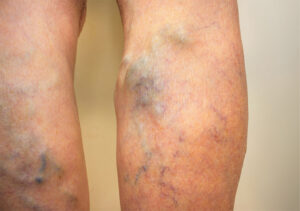 Varicose veins affect millions of Americans each year, appearing as twisted, enlarged veins visible just beneath the skin’s surface. While they most commonly develop in the legs and feet, varicose veins can cause both cosmetic concerns and physical discomfort. At Vascular Center of Naples, we understand the impact these vascular conditions can have on your quality of life and are committed to providing comprehensive care tailored to your individual needs.
What Are Varicose Veins?
Varicose veins occur when veins become enlarged, dilated, and overfilled with blood. These veins typically appear swollen and raised, with a bluish-purple or red color. The condition develops when vein valves, which normally prevent blood from flowing backward, become weakened or damaged. When these valves fail to function properly, blood pools in the veins, causing them to stretch and twist.
Unlike spider veins, which are smaller and closer to the skin’s surface, varicose veins are larger and may protrude noticeably. While any vein can become varicose, the veins in your legs face the greatest challenge because they must work against gravity to return blood to your heart.
Common Causes and Risk Factors
Several factors can increase your likelihood of developing varicose veins. Age is a significant contributor, as vein walls and valves naturally weaken over time. Women are more susceptible than men, particularly due to hormonal changes during pregnancy, menstruation, and menopause. Pregnancy itself increases the volume of blood in your body while decreasing blood flow from your legs to your pelvis, creating additional pressure on leg veins.
Family history plays an important role in varicose vein development. If your parents or grandparents experienced this condition, you’re at higher risk. Obesity adds extra pressure on your veins, while prolonged standing or sitting can restrict proper blood flow. Occupations requiring long periods on your feet, such as nursing, teaching, or retail work, may increase your susceptibility.
Recognizing the Symptoms
While some people view varicose veins purely as a cosmetic issue, they can cause significant discomfort. Common symptoms include aching or heavy feelings in the legs, burning, throbbing, muscle cramping, and swelling in the lower legs. Many patients report that pain worsens after prolonged sitting or standing. You might also experience itching around affected veins, skin discoloration near the veins, or, in severe cases, bleeding from the veins or venous ulcers.
Symptoms often intensify during warmer weather or after physical activity. Women may notice their symptoms worsen during their menstrual cycle. If left untreated, varicose veins can lead to more serious complications, including superficial thrombophlebitis, where blood clots form in veins close to the skin’s surface.
When to Seek Medical Attention
If you’re experiencing painful symptoms or notice changes in your skin’s appearance or texture near varicose veins, it’s time to consult a vascular specialist. At Vascular Center of Naples, our experienced team can evaluate your condition and recommend appropriate treatment options. Early intervention can prevent complications such as blood clots, bleeding, or chronic venous insufficiency.
Modern Treatment Solutions
Today’s varicose vein treatments are minimally invasive, effective, and require little to no downtime. Sclerotherapy involves injecting a solution into affected veins, causing them to collapse and fade. This outpatient procedure is particularly effective for smaller varicose veins and spider veins. Endovenous laser therapy uses laser energy to seal problematic veins from the inside. Radiofrequency ablation applies heat to close diseased veins, while VenaSeal uses a medical adhesive to seal veins shut.
Microphlebectomy, another minimally invasive option, involves removing varicose veins through tiny incisions that typically don’t require stitches. Most procedures are performed under local anesthesia, allowing patients to return home the same day and resume normal activities within a day or two.
For some patients, compression stockings and lifestyle modifications may provide adequate relief. These conservative approaches include regular exercise, weight management, elevating your legs when resting, and avoiding prolonged periods of standing or sitting.
Taking the Next Step
Living with varicose veins doesn’t have to mean accepting pain, discomfort, or self-consciousness about your appearance. At Vascular Center of Naples, we combine advanced technology with personalized care to deliver optimal outcomes. Our board-certified vascular specialists will conduct a thorough evaluation, discuss your symptoms and concerns, and develop a treatment plan designed specifically for you.
Don’t let varicose veins limit your lifestyle or cause unnecessary discomfort. Contact Vascular Center of Naples today to schedule a consultation and discover how modern vascular care can help you achieve healthier, more comfortable legs.
Call us today at 239-431-5884.
1875 Veterans Park Dr. Suite 2203
Naples, FL 34109
239-431-5884
www.VascularCenterNaples.com