

By Dr. Ron Adduru, DPM – Family Foot & Leg Center
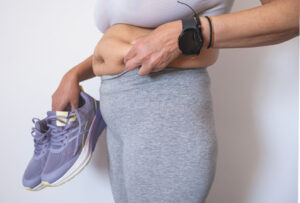 As a podiatrist here in Sarasota, I’ve spent years helping patients navigate the complexities of diabetic foot care, sports injuries, and reconstructive surgery. Lately, however, a new topic has dominated the conversation in my exam rooms at Family Foot & Leg Center: the phenomenon social media has dubbed “Ozempic Feet.”
While medications like Ozempic, Wegovy, and Mounjaro (GLP-1 receptor agonists) have revolutionized the treatment of Type 2 diabetes and obesity, they bring about systemic changes that don’t stop at the waistline. Just as “Ozempic Face” describes the loss of facial volume, “Ozempic Feet” refers to the anatomical and functional changes in the feet resulting from rapid, significant weight loss.
The Anatomy of the Cushion
To understand why rapid weight loss affects the feet, we have to look at what lies beneath the skin. Humans are born with specialized plantar fat pads located primarily under the heel bone (calcaneus) and the balls of the feet (metatarsal heads). These aren’t just “extra fat”; they are sophisticated shock absorbers made of fat globules partitioned by tough fibrous tissue.
When you walk, these pads distribute your body weight and protect the underlying bones, nerves, and blood vessels from the hard impact of the ground. However, weight loss—especially when it occurs rapidly—is non-discriminatory. Your body pulls energy from fat stores across the entire body, including these critical cushions. When these pads atrophy, the protective “buffer” disappears, leaving you to essentially walk on skin and bone.
Symptoms Beyond the Aesthetic
Most patients first notice the aesthetic changes: the skin on the top of the foot may appear saggy or wrinkled, and veins and tendons become more prominent. However, as a specialist, my concern is the functional pain and the increased risk of injury.
Common complaints I hear from patients experiencing fat pad atrophy include:
• A “walking on pebbles” sensation: Feeling every imperfection in the floor as if you are barefoot on gravel.
• Burning or aching in the forefoot: This is often metatarsalgia, caused by increased pressure on the metatarsal heads.
• Increased callus formation: Without fat to distribute pressure, the skin thickens in specific “hot spots” to protect itself, leading to painful corns and calluses.
• Change in shoe size: Many of my Sarasota patients find that their favorite shoes are suddenly too loose. While losing a shoe size might seem like a win, poorly fitting shoes create friction, which can lead to blisters or even ulcerations.
The Diabetic Connection
For my patients using these medications to manage Type 2 diabetes, the stakes are even higher. Diabetes can cause peripheral neuropathy (nerve damage) and poor circulation. If a patient has neuropathy, they may not feel the pain of a thinning fat pad.
This is a dangerous combination. You have less natural cushioning and a decreased ability to feel the resulting pressure or injury. A small blister caused by a shoe that is now too large can quickly turn into a non-healing wound or ulcer. At Family Foot & Leg Center, we focus heavily on limb salvage and wound prevention; “Ozempic Feet” makes vigilant daily foot inspections more critical than ever.
Managing the Transition
If you are on a GLP-1 medication, you don’t have to choose between a healthy weight and healthy feet. The goal is to compensate for the lost natural padding with external support.
First, audit your footwear. If your shoes feel cavernous, they are no longer providing the stability you need. Look for shoes with high-quality, built-in cushioning and a wide toe box.
Second, consider custom orthotics. This is where we can truly make a difference. Unlike over-the-counter inserts, custom orthotics are molded to your specific foot structure. We can “off-load” the bony areas that have lost their fat pads, effectively creating a new, synthetic cushion that mimics the shock absorption you’ve lost.
Third, prioritize nutrition and strength. Maintaining adequate protein intake and engaging in lower-body resistance training can help preserve muscle mass. While you can’t “bulk up” the fat pads on the bottom of your feet with exercise, keeping the intrinsic muscles of the foot strong helps maintain the integrity of your arches and overall biomechanics.
Final Thoughts
Rapid weight loss is a significant achievement for your cardiovascular and metabolic health, but your feet are the foundation that carries that new body. If you’ve noticed that your “foundation” is feeling a bit shaky—or painful—it’s time to see a specialist. We are here at our Sarasota office to ensure that as you move toward a healthier version of yourself, you do so without pain.
Disclaimer: This content is not intended to be a substitute for professional medical advice, diagnosis, or treatment. Always seek the advice of your physician or other qualified health care provider with any questions you may have regarding a medical condition.
Dr. Ron Adduru is a podiatrist at Family Foot & Leg Center in Sarasota, Florida, specializing in complex wound care and deformity reconstruction. He is committed to helping the Sarasota community remain active and healthy.
3110 Fruitville Commons Blvd
Suite 102
Sarasota, FL 34240
(239) 430 – 3668 (FOOT)
www.NaplesPodiatrist.com