

What people with joint pain, autoimmune disease, and chronic fatigue should know about eating for better health
By Alain Alvarez, MD
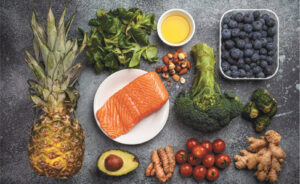 If you live with joint pain, autoimmune disease, or chronic fatigue, you’ve probably heard this advice: “Try an anti-inflammatory diet.” But what does that mean, just a trend, or can food really affect inflammation?
The short answer is yes, but it’s more nuanced than social media suggests. An anti-inflammatory diet isn’t a miracle cure, and won’t replace the right medications for rheumatoid arthritis, lupus, psoriatic arthritis, or other autoimmune diseases. But it can be a useful tool for overall health and, for some, feeling better.
What Is Inflammation?
Inflammation is part of the body’s natural defense system, when you’re injured or sick, the immune system sends signals to protect and heal, a normal, healthy response.
But sometimes inflammation becomes a problem. In autoimmune diseases, the immune system can attack the body’s own tissues, causing joint pain, swelling, stiffness, fatigue, muscle aches, and skin rashes. Poor sleep, stress, smoking, excess weight, and diet can all influence inflammation too, which is where food comes in.
Can Food Really Affect Inflammation?
Yes, but not like a light switch that turns inflammation “on” or “off.” Diet works more like a pattern over time: foods eaten often may either support your health or make inflammation harder to control. Some foods, eaten regularly in large amounts, are linked to more inflammation; others support heart and metabolic health and lower inflammation-related stress. So an “anti-inflammatory diet” usually means a long-term eating pattern, not a quick cleanse.
What Is an Anti-Inflammatory Diet?
It’s not one single plan, but a style of eating built around whole, minimally processed foods: fruits, vegetables, beans and lentils, whole grains, nuts and seeds, olive oil, fish, and lean proteins, while limiting highly processed foods and those loaded with sugar, salt, and unhealthy fats.
This should sound familiar, it’s essentially the Mediterranean-style diet, which gets so much attention because it’s realistic, balanced, and well-researched. It typically includes plenty of vegetables and fruit, whole grains, beans, lentils, and nuts, olive oil as the main fat, fish more often than red meat, and limited processed foods and sweets.
This pattern is linked to better heart health, blood sugar control, and lower risk of some chronic diseases. Some studies also suggest it may help reduce pain and disease activity in certain inflammatory conditions, especially alongside other healthy habits.
Foods to Favor and Foods to Limit
Rather than chasing one “magic” ingredient, aim for a healthier overall pattern. Helpful foods include fruits and vegetables, fatty fish like salmon and sardines, olive oil, nuts and seeds, beans and lentils, and whole grains.
No food needs to be labeled “bad” forever, but some are worth limiting if they make up a large part of your diet: sugary drinks, frequent sweets, processed snacks, fast food, refined carbs like white bread and pastries, processed meats, and trans fats. These also contribute to weight gain, insulin resistance, high cholesterol, and poor heart health, all relevant to autoimmune disease.
What About Weight?
Fat tissue isn’t just calorie storage, it’s biologically active and can produce inflammatory signals. So excess weight can add to the inflammatory burden. This doesn’t mean weight is the only cause of pain or fatigue, or that people should feel blamed for their symptoms. It simply means that, for some, improving nutrition and working toward a healthier weight may ease stress on the joints and reduce some symptoms over time.
Can Diet Cure Autoimmune Disease?
No. This is crucial: an anti-inflammatory diet does not cure rheumatoid arthritis, lupus, psoriatic arthritis, or other autoimmune diseases. Keep working with your healthcare team and taking medications as directed. Think of it this way: medication helps control the immune system, while lifestyle habits support overall health. Both matter.
If certain foods seem to worsen your symptoms, a simple food and symptom journal can help identify patterns. But avoid overly restrictive diets unless there’s a clear medical reason, like celiac disease or a true food allergy. The goal isn’t to fear food, it’s to find a sustainable way of eating that’s realistic.
So What Should You Actually Do?
Start small: add an extra serving of vegetables daily, swap white bread for whole-grain, replace sugary drinks with water or unsweetened tea, eat fish once or twice a week, use olive oil instead of butter, and add beans, lentils, or nuts to your meals. These small steps add up over time.
The Bottom Line
An anti-inflammatory diet isn’t a magic cure, but it can help when living with joint pain, autoimmune disease, or chronic inflammation. The most useful approach isn’t a strict “diet”, it’s a sustainable eating pattern built around more whole foods and fewer processed ones.
When it comes to inflammation, the goal isn’t perfection, it’s consistency. Small, realistic changes over time are often more powerful than extreme plans that are impossible to maintain. If you’re living with arthritis, lupus, fatigue, or another inflammatory condition, talk with your healthcare team about whether nutrition changes might fit into your care plan.
Alain Alvarez, MD is a rheumatologist who cares for patients with arthritis, lupus, and other autoimmune diseases. Through RheumCare, he focuses on making complex rheumatology topics easier for patients and families to understand.
6605 Hillway Circle,
Unit 101 Naples, FL 34112
239-262-6550
www.rheumcare.net