

By Dr. Sahiba Singh, DPM – Family Foot & Leg Center
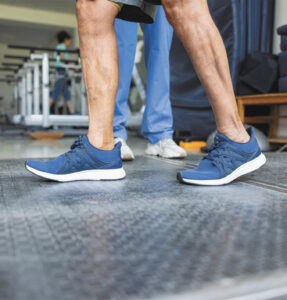 By the time many patients with Parkinson’s disease reach my clinic here in Port Charlotte, they aren’t typically thinking about their brain. They are thinking about their feet.
As a podiatrist at Family Foot & Leg Center, I occupy a small but significant corner in the multidisciplinary care of those living with Parkinson’s. While the condition is widely recognized for tremors and stiffness, its impact on the lower limbs is frequently overlooked. Yet, for many of my patients, it is foot pain, a loss of balance, or a sudden fall that first disrupts their daily life in a tangible, frightening way.
The Ground-Level Impact of a Neurological Disorder
Parkinson’s is a progressive neurological disorder that results from the gradual loss of dopamine-producing cells. We often talk about the “classic” symptoms—resting tremors, rigidity, and bradykinesia (slowness of movement). But what does this actually mean for your feet?
In simple terms: everything.
Walking is a complex symphony of neurological signals and musculoskeletal coordination. Every step requires precise timing, muscle activation, joint flexibility, and sensory feedback. When Parkinson’s interferes with these systems, I see gait become altered in distinctive and sometimes dangerous ways.
Common Challenges I See in the Clinic
There are several hallmark patterns I look for when evaluating a patient with Parkinson’s:
• The “Shuffling Gait”: Patients take small, hesitant steps, often with reduced arm swing. When the heel doesn’t strike the ground properly, it leads to increased pressure on the forefoot. Over time, this causes painful calluses and metatarsalgia (pain under the ball of the foot).
• Freezing of Gait: This is the sensation that your feet are “glued” to the floor. From a podiatric perspective, this sudden hesitation shifts weight unpredictably, which is a major contributor to fall risk.
• Dystonia (Toes Curling): Rigidity can cause the toes to curl or “claw” involuntarily. This makes wearing shoes incredibly uncomfortable and leads to secondary issues like corns, ulcers, or nail trauma.
Why Foot Health is a Safety Issue
The feet are rich in sensory receptors that tell your brain about surface changes and body position. When Parkinson’s affects your processing speed, a loose rug or a slightly uneven sidewalk becomes a major hazard.
I also see many patients struggling with basic nail care. Tremors and reduced dexterity make it difficult to trim nails safely, leading to ingrown toenails or fungal infections. Left untreated, these “minor” issues cause pain that further alters your gait, creating a cycle of declining mobility and increasing fatigue.
How We Can Help: Practical Interventions
At Family Foot & Leg Center, our goal is to address these mechanical consequences at ground level. Some of the most effective tools we use include:
• Strategic Footwear: I often recommend shoes that are lightweight but supportive, with firm heel counters and non-slip soles. For those with tremors, Velcro or elastic laces are much safer and easier to manage than traditional laces.
• Custom Orthotics: These can redistribute pressure and improve alignment, making every step more stable.
• Medication Windows: I always encourage my patients to schedule their appointments during their “on” periods—the window after taking their medication when rigidity is lowest. This allows us to get the most accurate assessment of their movement.
Restoring Autonomy and Confidence
What strikes me most is the psychological dimension of foot problems. When walking becomes uncertain, confidence erodes. Patients often withdraw from social activities in Port Charlotte because they are afraid of falling.
By addressing foot pain and instability, we aren’t just treating a limb—we are restoring a measure of independence. In my chair, Parkinson’s isn’t just defined by a tremor; it’s seen in the worn patch on a shoe or the relief a patient feels when a painful corn is eased.
Mobility begins where the body meets the ground. Ensuring your feet are healthy isn’t a minor detail—it is the foundation of staying active and maintaining your dignity.
Disclaimer: This content is not intended to be a substitute for professional medical advice, diagnosis, or treatment. Always seek the advice of your physician or other qualified health care provider with any questions you may have regarding a medical condition.
Dr. Sahiba Singh is a podiatrist at Family Foot & Leg Center in Port Charlotte, Florida, specializing in complex wound care and deformity reconstruction. She is committed to helping the Charlotte County community remain active and healthy.
FAMILY FOOT & LEG CENTER
3161 Harbor Blvd, Suite B,
Port Charlotte, FL 33952
(239) 430 – 3668 (FOOT)
www.NaplesPodiatrist.com