

By Patrick Bartholomew, DPM – Family Foot & Leg Center, Cape Coral, FL
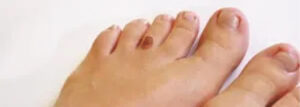 Living here in Cape Coral, we are blessed with year-round sunshine and a lifestyle that keeps us outdoors. Whether we are boating, golfing, or just enjoying a walk near the water, the Florida sun is a constant companion. When my patients think about skin cancer, they usually think about the “high-exposure” areas: the face, shoulders, or back. However, as a podiatrist at Family Foot & Leg Center, I spend my days focusing on the parts of the body often forgotten until they cause discomfort. I can tell you with absolute certainty: skin cancer does not stop at the hemline.
In our local community, the skin below the knee is one of the most overlooked frontiers in preventative medicine. The lower extremity is a surprisingly common—and dangerous—place for certain skin cancers to appear, particularly melanoma. Because these areas are less visible and less frequently checked, cancers here are often detected at a much later stage than those on the upper body. By the time a patient in my office mentions a “bruise” on their heel that won’t go away, the condition may have already progressed significantly.
Why the Southwest Florida Lifestyle Increases Risk
Skin cancer develops from damage to skin cells, most commonly triggered by ultraviolet (UV) radiation. In our “sandals and shorts” climate, the lower legs and feet are frequently exposed to intense UV rays. We often fall into the trap of thinking that because our feet are on the ground, they are naturally shaded. In reality, sand and water reflect UV rays back up toward the ankles and the soles of the feet, increasing the dosage of radiation.
Beyond sun exposure, several risk factors contribute to the development of lesions below the knee:
• Cumulative UV Exposure: It isn’t just the beach days; it is the decades of wearing flip-flops to the grocery store or gardening in the backyard.
• Biological Vulnerability: Research suggests melanoma appears on the lower extremities more often in women than in men, often presenting on the calves or ankles.
• Skin Type and Genetics: It is a dangerous myth that people with darker skin tones are “immune.” In fact, people of color are more likely to develop Acral Lentiginous Melanoma (ALM), a specific type of melanoma that appears on the palms and soles.
The Hidden Danger of Foot Melanoma
Melanoma on the foot or ankle is particularly concerning because it defies standard expectations. While a “sun spot” on the shoulder might be obvious, a melanoma on the foot may hide on the sole, between the toes, or even beneath a toenail (subungual melanoma).
Because these spots don’t always look like the “typical” irregular brown mole, they are frequently misdiagnosed as more benign conditions. In my practice, I have seen malignant lesions that were initially mistaken for stubborn bruises, fungal infections, or even simple calluses. This leads to a “diagnostic delay.” When melanoma is caught early, the survival rate is high. When caught late—after it has spread into the lymph nodes—the prognosis becomes much more serious.
Warning Signs: The ABCDEs and Beyond
I encourage all my Cape Coral patients to make it a habit to check their legs and feet once a month. Use a mirror to see your heels and the soles of your feet. While the traditional ABCDE rule (Asymmetry, Border, Color, Diameter, Evolving) is a great baseline, you should be specifically vigilant for:
• The “Ugly Duckling”: A mole or spot that looks entirely different from any other marks on your body.
• Nail Changes: A vertical dark streak in a toenail not caused by injury. If the pigment extends onto the cuticle (Hutchinson’s Sign), it is a medical emergency.
• Non-Healing Sores: Any “sore” or “blister” on the foot or leg that hasn’t healed in three weeks, even if it is completely painless.
Prevention and Professional Care
Prevention is a multi-step process involving both lifestyle changes and professional intervention. Many skin cancers below the knee can be caught in the “pre-cancerous” stage with the right approach.
Sunscreen and Footwear
Apply a broad-spectrum sunscreen (SPF 30+) to your legs and feet. Most people stop at the ankle, but you must include the tops of the feet and the soles if you are lounging. While we love the freedom of sandals, they offer zero UV protection; consider lightweight, breathable shoes for long days at the park or on the boat.
Dr. Patrick Bartholomew is a podiatrist at Family Foot & Leg Center in Cape Coral, Florida, specializing in complex wound care and deformity reconstruction. He is committed to helping the Cape Coral community remain active and healthy.
530 SE 16th Place, Suite A
Cape Coral, FL 33990
(Across from Cape Coral Hospital)
(239) 430 – 3668 (FOOT)
www.NaplesPodiatrist.com