

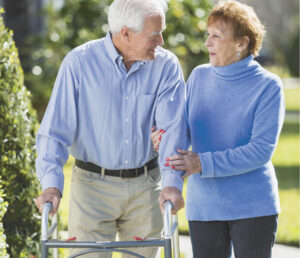
 The first day of fall on September 22 marks the start of Falls Prevention Week—a reminder that one misstep can have life-altering consequences. Falls can cause bruising, hip fractures, head injuries, and can even be fatal, especially for older adults.
At Lee Health Trauma Center, falls are among the most common reasons patients are admitted, often resulting in serious injuries like head trauma and rib fractures, says Tracey Thornton, Trauma Injury Prevention Educator with Lee Health Trauma Services.
“The number one reason we see people in the Trauma Center is from falls, ahead of motor vehicle collisions,” she says. “Fall prevention isn’t just a seasonal concern—it’s a year-round commitment to safety, strength, and smart choices. By recognizing risks and acting early, you can protect yourself and your loved ones from the devastating impact of a fall.”
Falls and older adults: A growing problem that demands attention
Falls are the leading cause of traumatic injury and death for those 65 and older, according to the Centers for Disease Control and Prevention (CDC). The statistics are sobering: “Every second, an older adult in the U.S. experiences a fall,” Tracey says.
From 2003 to 2023, death rates from falls rose more than 70% for adults ages 65 to 74. For those aged 75 to 84, the rate rose by over 75%, and for seniors 85 and older, it more than doubled.
The good news? Falls are preventable with the right knowledge and preparation, she says.
Prevention starts at home
Most falls happen at home, often caused by everyday hazards like rugs, pets, poor lighting, and clutter.
“Falls can happen from tripping on a rug, tripping on your little dog that’s behind you when you’re washing the dishes, or your grandbaby suddenly rushes up to you for a hug,” Tracey notes. “Normal things can become dangerous if you aren’t proactive and mindful about fall prevention.”
Improve your safety at home with these tips:
The bathroom: Your highest-risk zone
The bathroom is the number one location for falls due to slippery surfaces, tight spaces, and a lack of support. Tracey recommends:
• Installing handrails professionally mounted into wall studs (not suction-cup grab bars)
• Keeping floors dry and clutter-free
• Using non-slip mats with rubber backing
Choose the right footwear
Flip-flops may be a Florida favorite, but they’re a fall risk. Instead, choose:
• Sturdy shoes with rubber soles
• Low, square heels for better stability
• Shoes indoors—even at home—to protect your feet and improve traction
Light the way
Poor lighting is a major contributor to falls. Tracey advises:
• Keeping hallways and staircases well-lit
• Installing lights at both the top and bottom of the stairs
• Avoiding walking through dark rooms
• Not rearranging furniture unexpectedly, especially if you get up during the night
Clear the hazards
Everyday items can become dangerous obstacles:
• Remove rugs if you don’t need them, or ensure they have non-skid backing
• Be mindful of pets underfoot, especially small dogs
• Keep walkways clear of clutter
Pay special attention to items left on stairs, such as books, magazines, or laundry baskets, Tracey says. Extension cords running across walkways are particularly dangerous and should be secured or rerouted. Even seasonal decorations can create unexpected obstacles, so consider their placement carefully to maintain clear, safe pathways throughout your home.
Know your risks and get help
Balance screenings can help you understand your baseline and identify issues early. Dizziness, vision problems, or hearing loss can increase fall risk, but many of these conditions are treatable.
Be proactive, Tracey suggests. For example, if you have difficulty standing up from a chair, she says it’s time to talk to your primary care provider about physical therapy.
“Physical therapy isn’t just about recovery—it’s a powerful prevention tool. Gait training helps improve motor skills, posture, and coordination, all essential for maintaining balance and avoiding falls,” Tracey notes.
When to call 911
If someone over 65 falls—even if they say they’re fine—Tracey urges you to call 911. Hidden injuries like brain bleeds or internal bleeding from broken bones can be life-threatening, especially for those with heart or lung conditions or who take medications.
That’s why it’s important that if you live alone, you always keep a phone with you. Tracey suggests wearing a fanny pack with your cell phone inside, so help is always within reach.